

Dendrotonics - The Bayanihan Blog
What is Flora Filipiniana?
Flora Filipiniana is an initiative and tourism movement by Dendrotonics in promoting the planting of Philippine native flowers and plants and to boost the flower tourism in the country.

Ephraim Cercado
Agroforestry and Philippine native tree enthusiast - super surgeon
flora filipinianafloraphilippineflowerparksflowerparksflowertourismnativeflowersblooming
Published 24 Jun 2026
Last modified Updated 29 Jun 2026
5 min read
What is Flora Filipiniana?
Did you know that the Philippines has the potential to outperform Japan’s cherry blossom industry, which earns an estimated $6 billion annually? (Pascual, 2026). When you think of flower tourism, what comes to mind? Perhaps Japan’s breathtaking cherry blossoms or Holland’s vibrant tulip fields? It's time to add the Philippines to that esteemed list with Flora Filipiniana—a burgeoning movement that celebrates the archipelago's rich native flora while spearheading a new era of ecotourism.
A Blooming Heritage
The term Flora Filipiniana draws inspiration from influencer and environmentalist Celine Murillo (Pascual, 2026). Coincidentally, "Flora de Filipinas" pertains to the first comprehensive plant encyclopedia of the Philippines, which is a historical masterpiece written in the 19th-century botanical encyclopedia penned by the Augustinian friar Manuel Blanco. This monumental work not only cataloged the Philippines' diverse plant life but also showcased the intersection of science and art during the colonial era.
As Filipinos, do we truly know our native flowers and trees? Have you ever driven by streets and thought, "Oh, this is a really pretty flowering tree, but I don't know its name"? These questions encourage us to delve deeper into our heritage and culture, exploring the unique aspects that define our identity as a nation. Understanding and appreciating our local flora not only connects us to our roots but also inspires a sense of pride and responsibility toward preserving our natural heritage.
Today, Flora Filipiniana has evolved into an inspiring initiative focused on conservation and tourism, led by Dendrotonics Corporation. We are proud to launch Flora Filipiniana as a bridge between raising awareness about our beautiful native flowers and cultivating new tourism parks that showcase the Philippines' stunning biodiversity.
The Stars of the Show
The Philippines is a biodiversity hotspot, home to a plethora of unique and endemic plants found nowhere else on Earth. Here are a few of our native flowering trees that we can showcase and celebrate:
Balai Lamok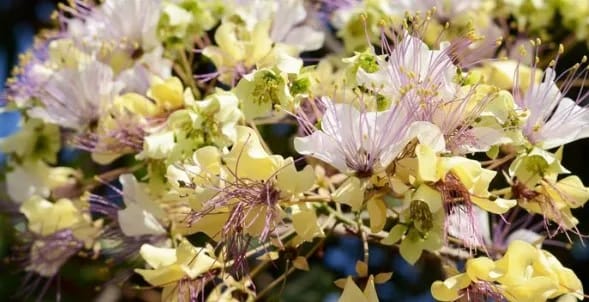 | The Balai Lamok (Crateva religiosa), also known as Salingbobog, is a stunning perennial tree native to the Philippines and tropical Asia. Celebrated as our local equivalent to the Japanese cherry blossom, it produces spectacular, multi-colored blooms during the summer months. | |
Patalsik Pula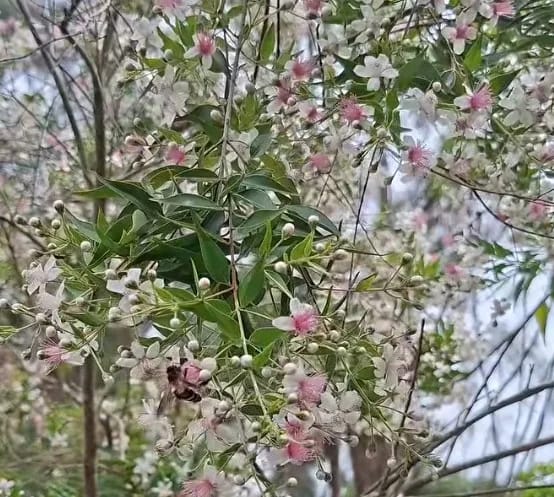 |
| |
Banaba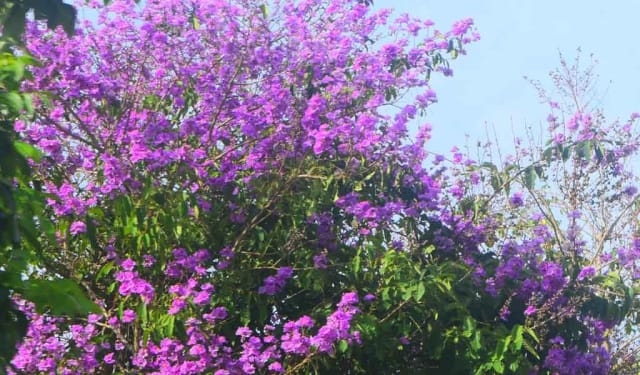 | The Banaba tree (Lagerstroemia speciosa) is a tropical flowering tree native to Southeast Asia, including the Philippines, India, and Malaysia. Also known as the Giant Crape-Myrtle or Queen's Flower, it is celebrated for its spectacular, bright purplish-pink blossoms and is widely used in landscaping and traditional medicine. | |
The Business of Beauty
Building a Flora Filipiniana park is more than just a step toward ecological conservation; it’s a profitable agritourism venture. Experts estimate that a well-maintained hectare of native flowering trees could yield up to ₱11 million annually from entrance fees alone. By integrating additional services such as cafés, event spaces, and souvenir shops, the revenue potential expands exponentially.
Enter Dendrotonics: Your Ecotourism Partner
If you are a landowner, investor, or environmental advocate looking to transform your space into a thriving, biodiverse commercial hub, Dendrotonics is your go-to partner on this journey. Led by agroforestry value-chain expert Dr. Ephraim Cercado, Dendrotonics is at the forefront of the modern Flora Filipiniana movement, offering a comprehensive suite of services that ensure success. Dendrotonics showcases our native Balai Lamok, Patalsik Pula, Banaba, and many other beautiful Philippine native plants for our future Flower Tourism parks.
What Dendrotonics Brings to the Table
- Turnkey Ecotourism Development: Specializing in designing, developing, and managing commercial flower parks and recreational spaces, Dendrotonics aims for global recognition.
- Scientific Site Assessment: Understanding that native trees are sensitive to their environment, Dendrotonics conducts in-depth assessments to align specific endemic species with your land’s unique soil, elevation, and climate.
- Tech-Driven Agroforestry: Known for innovations in sustainable timber and agarwood, Dendrotonics applies cutting-edge methodologies to floral landscaping, ensuring high survival rates and breathtaking blooms.
By collaborating with Dendrotonics, you are not merely constructing a park; you are actively participating in the restoration of native biodiversity, uplifting local communities, and placing your property on the global ecotourism map.
Conclusion
With Flora Filipiniana on the rise, the Philippines stands poised to become a leader in the ecotourism sector. Join the movement and invest in a sustainable future with Dendrotonics—where beauty and biodiversity flourish together. Discover how your land can bloom into a thriving destination that appeals to tourists while honoring the rich heritage of the Filipino landscape.
For further insights, please read our related article/s: Pascual, P. (2026, Feb 13). Can the Philippines' Patalsik Pula Outshine Japan's Cherry Blossoms? A Native Tree with ₱11M per Hectare Potential. Manila Bulletin Agriculture. https://agriculture.com.ph/2026/02/13/can-the-philippines-patalsik-pula-outshine-japans-cherry-blossoms-a-native-tree-with-%E2%82%B111m-per-hectare-potential/
Ephraim Cercado
Agroforestry and Philippine native tree enthusiast - super surgeon
About the author
Ephraim Cercado or "Doc Em" is a retired cancer and trauma surgeon turned farmer. He traded the scalpel for the shovel in 2020 when he founded Dendrotonics Corporation to honor God, build a great Philippines, and create wealth for Filipinos. As the President of Dendrotonics, Doc Em's journey from the operating room to the forest floor is a call to action, inspiring fellow Filipinos to heal the motherland as the ultimate frontier of medicine while championing Philippine native trees and plants like agarwood to help reforest the Philippines.
Related articles


The Philippine Agarwood Industry Coalition is now established!
PAIC is composed of more than 20 companies from Luzon, Visayas, and Mindanao, united by a shared passion and commitment to nurturing, developing, and safeguarding Philippine agarwood
Navigating Legal Agarwood Cultivation in the Philippines: Is Agarwood Farming Even Legal?
Liquid Gold or Legal Nightmare? Discover the legal landscape and opportunities for agarwood farming in the Philippines, ensuring sustainable practices and compliance.