
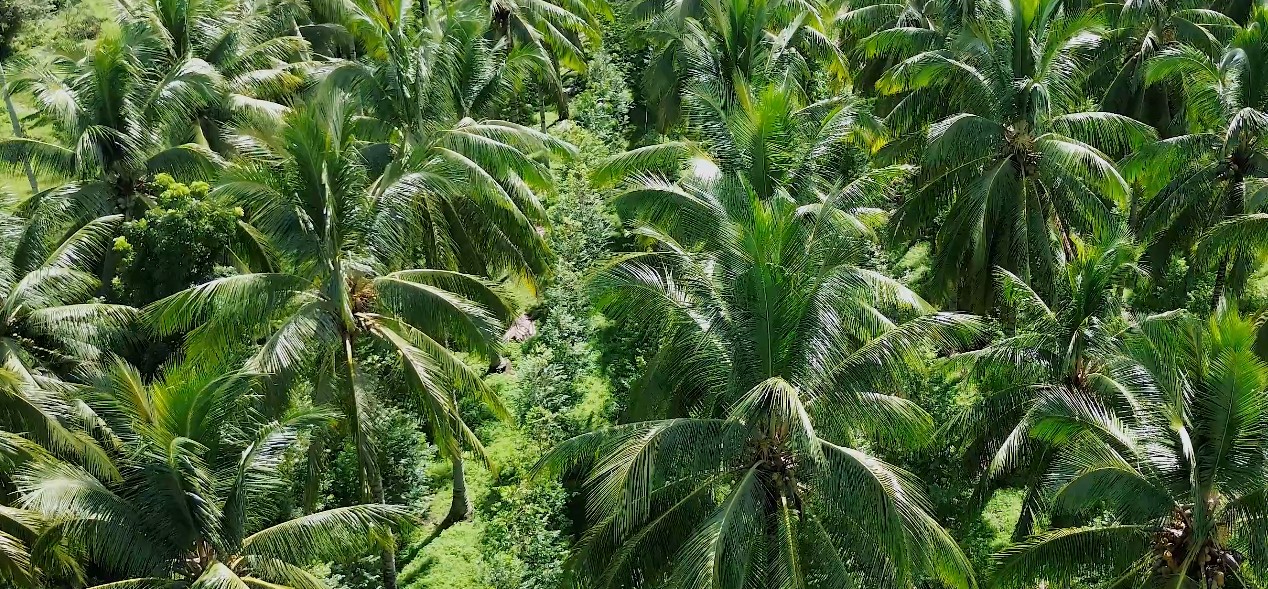
Where Forestry Meets
the Laboratory
Every Dendrotonics tree carries decades of forestry tradition and years of applied plant science — bred, inoculated, and harvested with methods built for a country, not just a crop.
Choosing the Right Seed
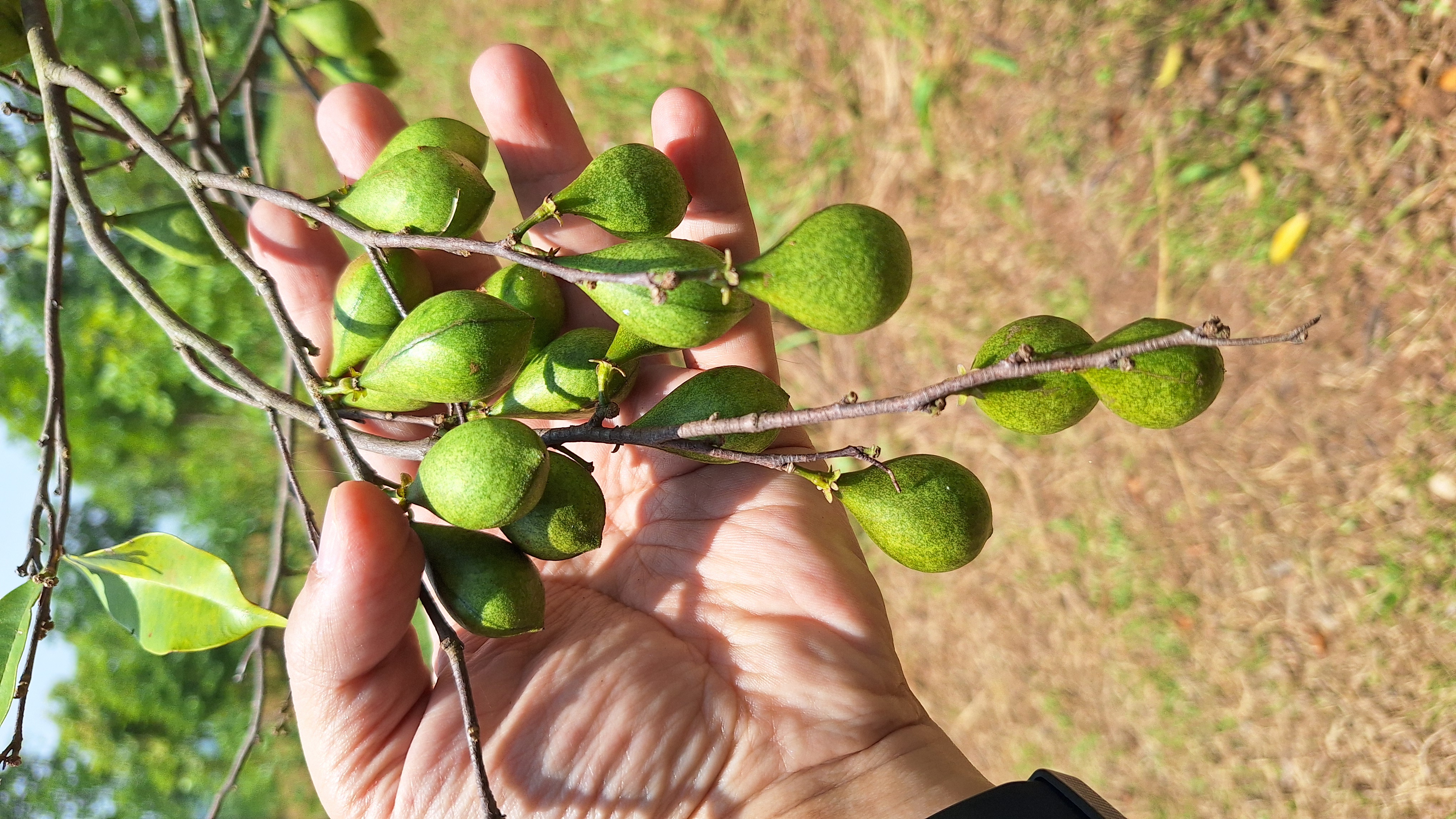
Not every Aquilaria tree is built to produce resin well. Before a single seed reaches the nursery, our foresters walk the nursery and select pods from trees with strong growth records and healthy resin history — the same instinct a plant breeder uses, applied to a native Philippine hardwood. Want to learn more about this business? Visit our Ultimate Philippine Agarwood Guide to start a profitable agarwood business. You may also check out our Agarwood Farming Profitability guide article to learn more about the market.
A Nursery Built for Speed
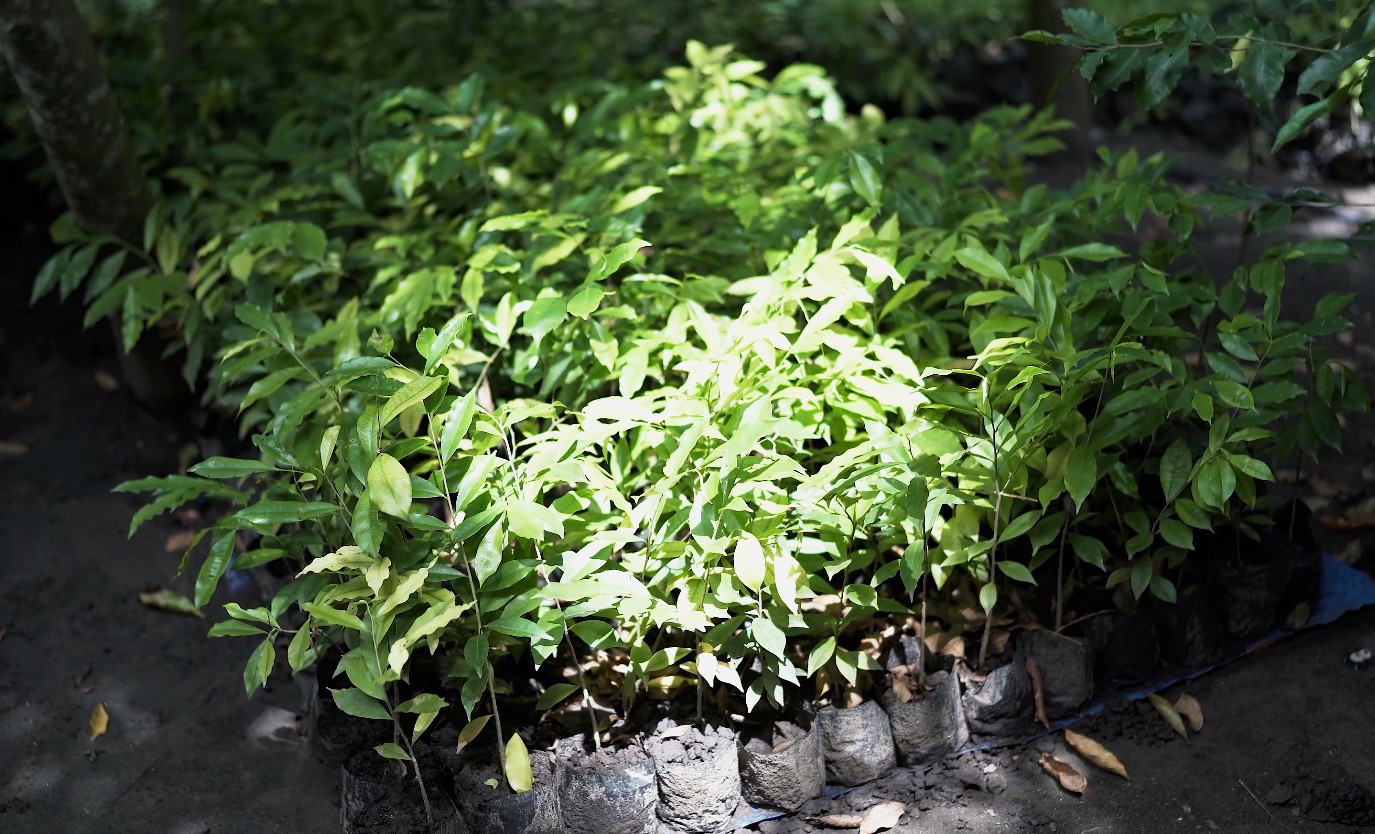
Seedlings are raised in controlled nursery beds where soil, shade, and watering are tuned to cut months off the slow climb to maturity. What used to take years in the wild now reaches inoculation-ready size in a fraction of the time — without shortcutting the tree's strength. Find out more about agarwood and Dendrotonics technologies in our agarwood overview and primer to learn more about the history and different species of Aquilaria.
Precision Inoculation
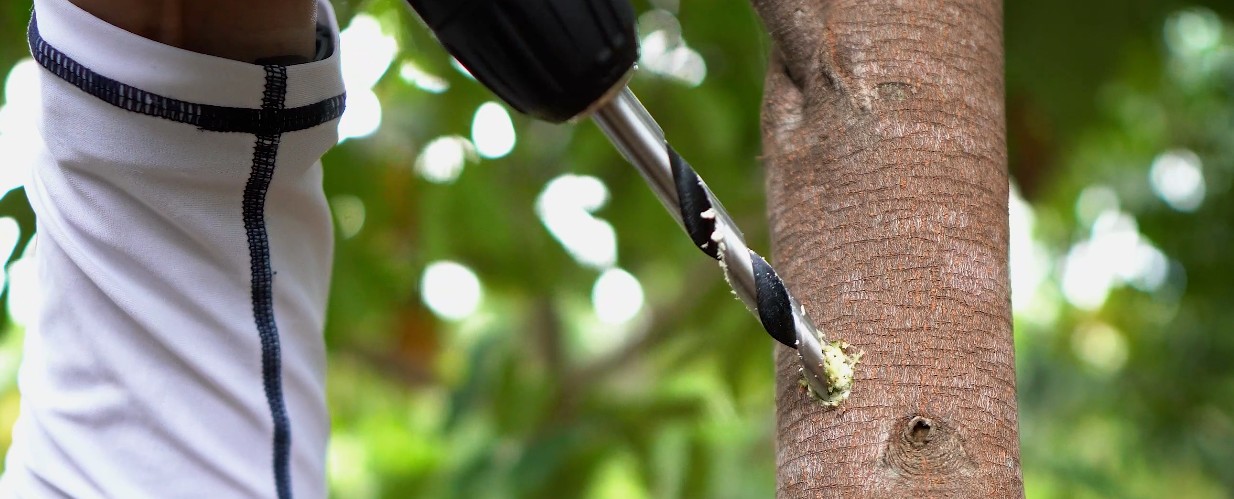
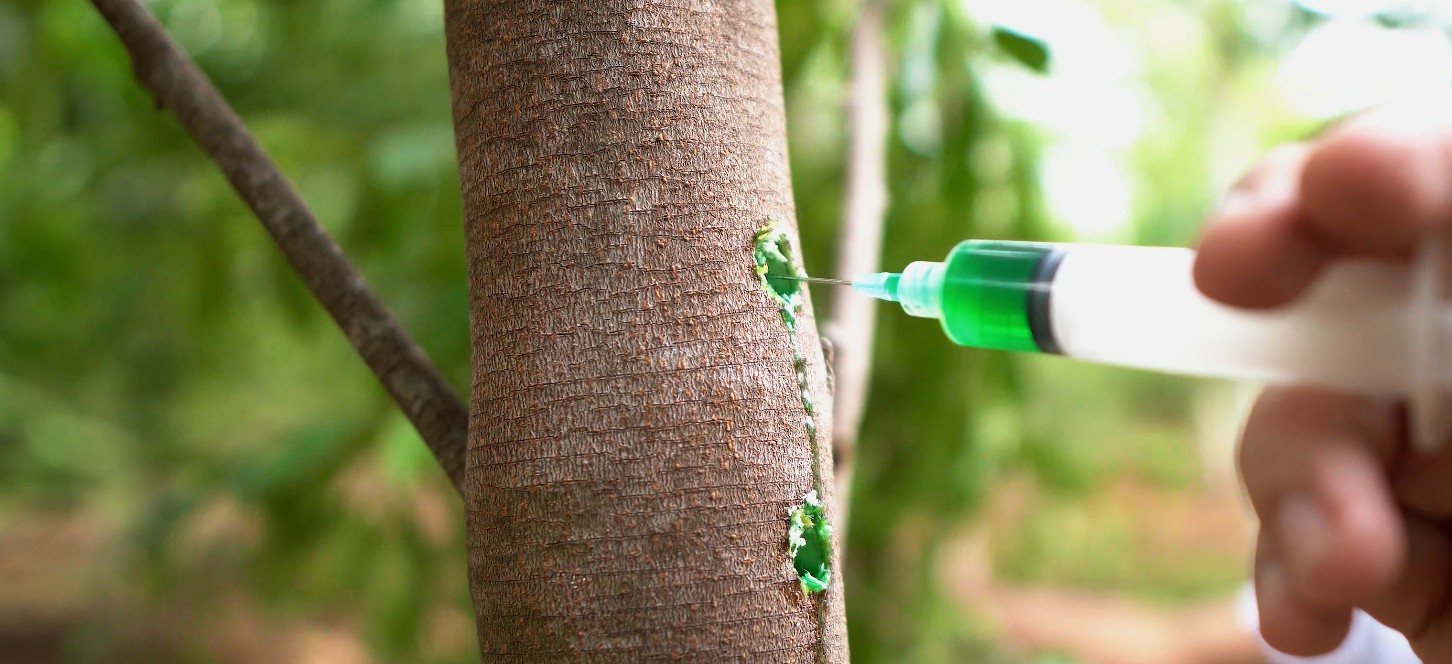
Agarwood resin only forms when a tree defends itself from injury. Dendrotonics' fast-growth technology enables an Aquilaria tree to reach inoculation-ready size in a fraction of the time. We are proud to share that we have developed the very first Filipino agarwood inoculant technology that produces Grade A export-ready agarwood chips: a controlled drill point and a proprietary bio-inoculant — developed and manufactured in the Philippines — coax the tree into producing resin exactly where it's needed, instead of waiting on chance and fungus in the wild.
Reading the Resin
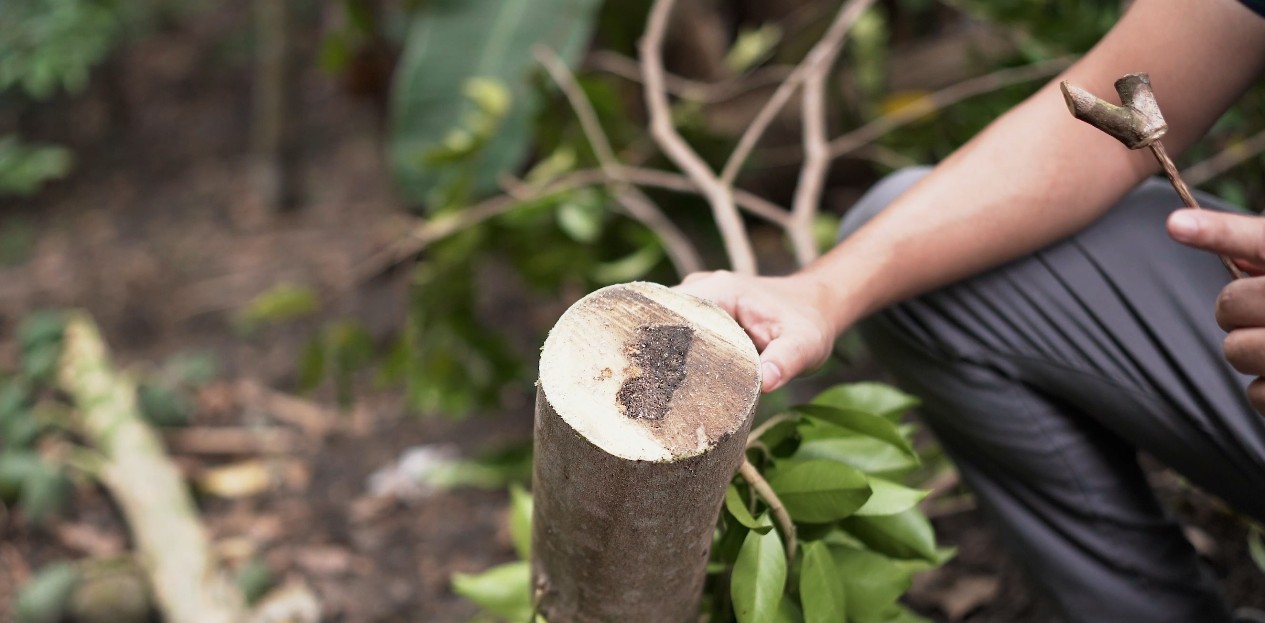
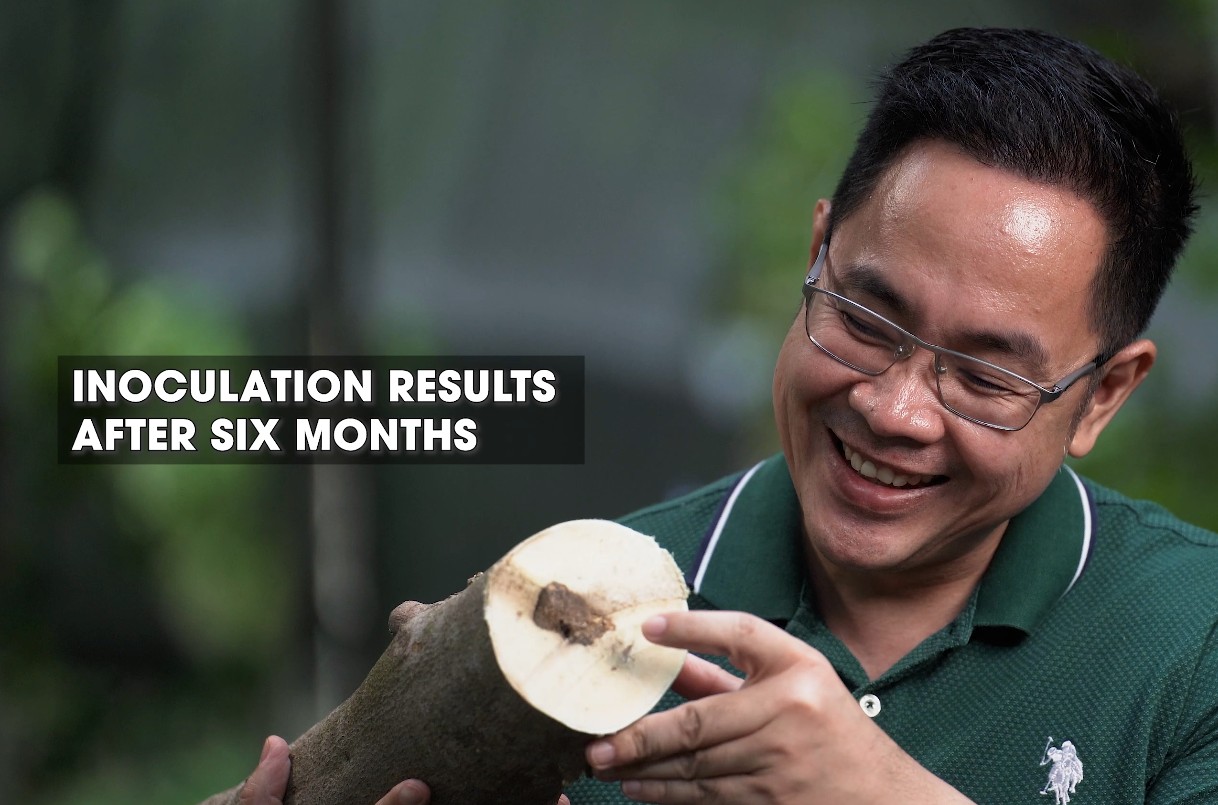
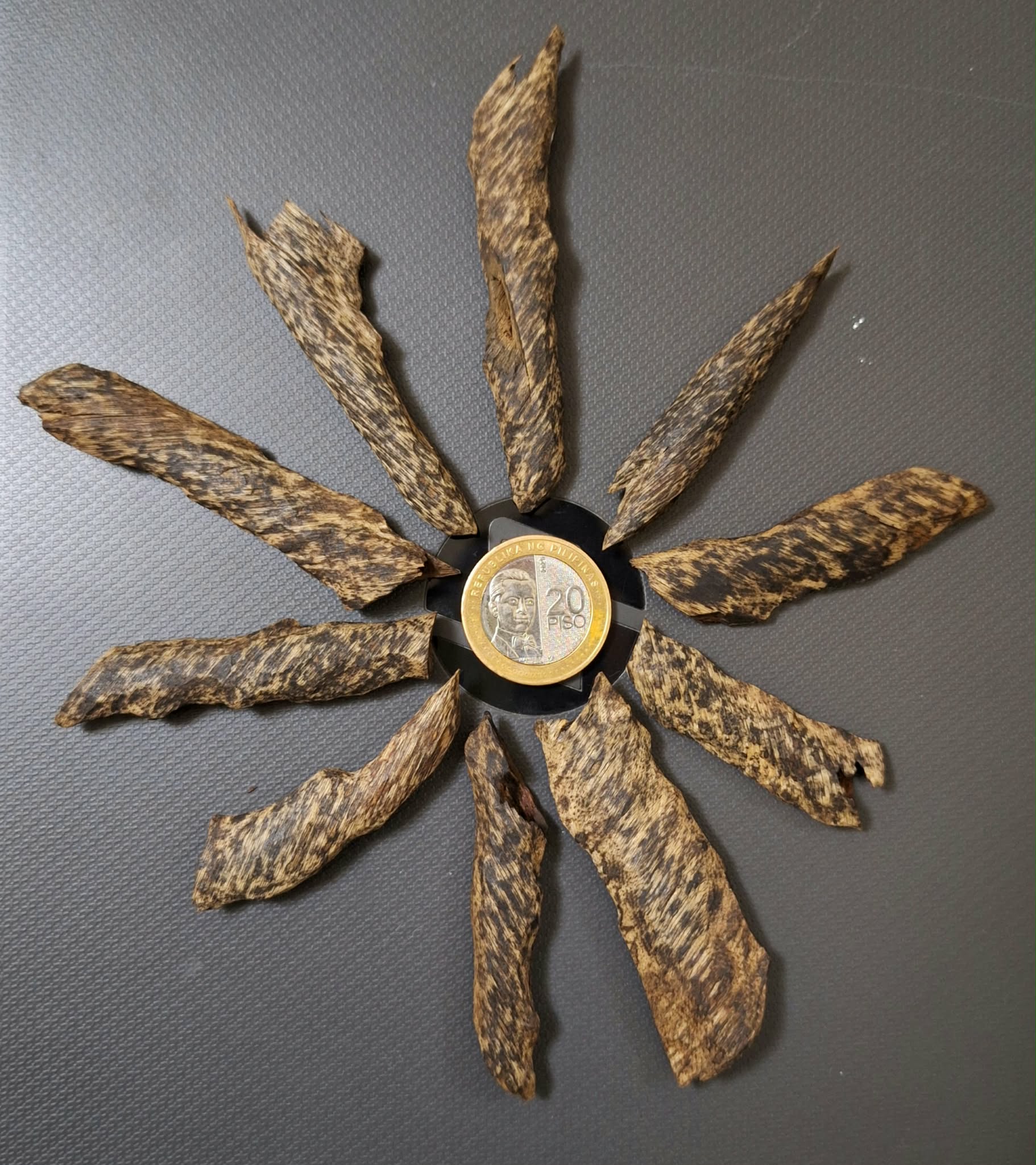
Months after inoculation, a small test boring tells the whole story. A dark, fragrant core means the tree's defense response worked — resin is forming exactly along the wound line, without ever needing to fell the tree just to find out. Read more about how to grade agarwood and what makes it valuable in our Agarwood Grading Guide.
A Perpetual Harvest
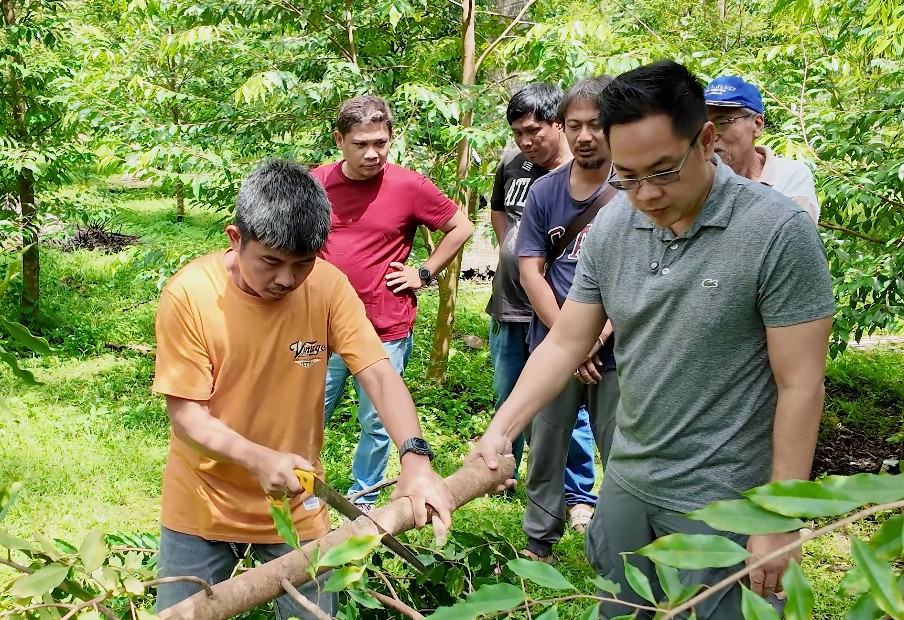
Traditional agarwood harvesting means cutting the tree down — you harvest once, then plant and then wait again. Dendrotonics' rotational, perpetual harvesting technology lets a single tree keep producing resin yearly (5th year onwards from planting a sapling), turning a one-time planting into an income a family can return to season after season, generation after generation. Help us reforest the Philippines, one tree at a time.
Grown Tall, Built to Last
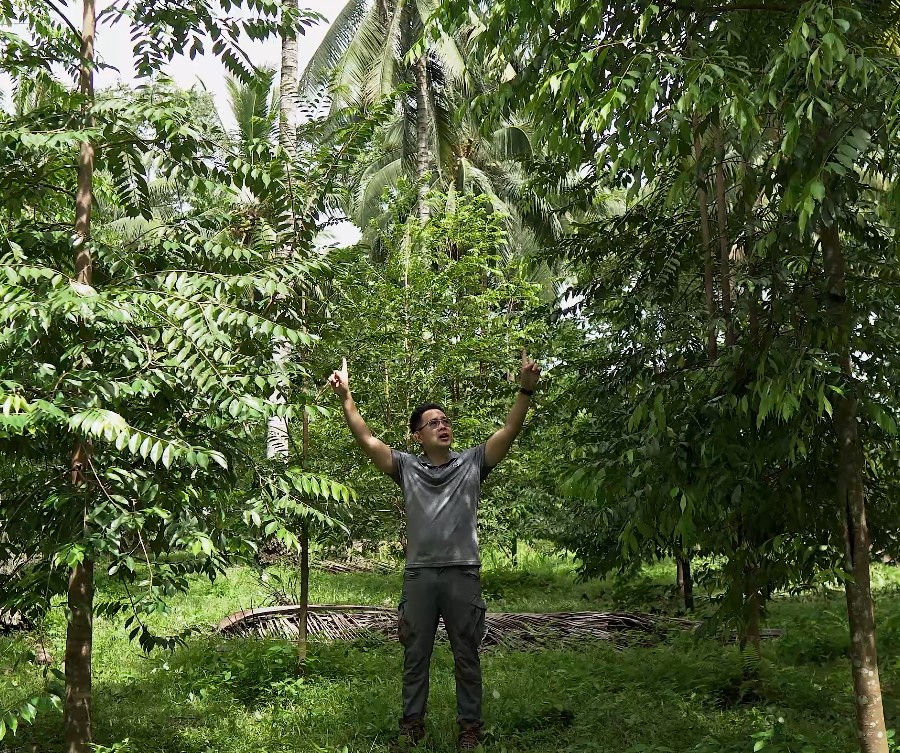
Across our plantations, the results compound: rows of fast-growing, resin-ready trees standing where cleared or idle land once sat — proof that biodiversity restoration and a working livelihood can be the same project.
Science You Can Plant
From seed selection to perpetual harvest, every step is built to make agarwood farming reliable, repeatable, and worth doing at scale.
Talk to Us